
Why Choose a UK Independent Boarding School?

Choosing the right educational pathway for a child is one of the most meaningful long‑term investments a parent can make. Among the world’s leading education systems, UK secondary education has long attracted families worldwide for its rich traditions, academic excellence, and student‑centred approach. More than just a learning journey, it is a vital foundation for a child’s holistic development, global perspective, and future competitiveness.
- Key Advantages :
- Internationally recognised academic excellence
- Well‑rounded education
- Student‑centred learning
- Multicultural environment with global exposure
Further Reading:
- Article
- Article
Best Entry Years for UK Education

The most common entry points for studying in the UK are
Year 7
(age 11)
Year 9
(age 13)
Year 10
(age 14)
Year 12
(age 16)
However, there is no single “best” entry year.
Parents should consider 3 key factors:
- Differences Between UK and HK Education
- Children’s Adaptability
- Academic Goals
Each entry year has different requirements and levels of competition. Year 7 offers full exposure to the UK secondary curriculum; Year 9 provides access to leading schools via the 13+ route; Year 10 allows entry at the start of GCSE studies; and Year 12 suits students with clear academic goals.
As the UK system introduces exams and specialisation earlier than in Hong Kong, the timing of entry can significantly affect GCSE results, A‑Level choices, and progression to top universities such as Oxford and Cambridge.
Further Reading:
- Articles
- Articles
UK Secondary School
UK secondary education spans seven years and is divided into three key stages.
When planning to study in the UK, Hong Kong students must understand: UK education system,GCSE and A‑Level requirements subject selection strategies, and optimal entry points. In order to develop the most effective UK study plan.
Year 7 - 9
form an exploratory phase, during which students study a broad range of core subjects in preparation for GCSE subject selection.
Year 10 - 11
comprise the GCSE programme, broadly equivalent to Hong Kong’s former HKCEE, with students typically taking 8 - 9 GCSE subjects.
Year 12 - 13
students begin the A‑Level programme, comparable to Hong Kong’s former HKALE, and usually study 3 - 4 A‑Level subjects.
Year 7 - 9
form an exploratory phase, during which students study a broad range of core subjects in preparation for GCSE subject selection.
Year 10 - 11
comprise the GCSE programme, broadly equivalent to Hong Kong’s former HKCEE, with students typically taking 8–9 GCSE subjects.
Year 12 - 13
students begin the A‑Level programme, comparable to Hong Kong’s former HKALE, and usually study 3–4 A‑Level subjects.
UK State Schools
UK state secondary schools are government‑funded institutions offering free education, accounting for around 93% of all secondary schools in the UK and providing high‑quality education for local students.
UK secondary education is highly regarded worldwide for its long history, academic excellence, and distinctive educational philosophy. More than a qualification, it represents a long‑term investment in a child’s abilities, global outlook, and future opportunities. Below, we outline the key advantages of choosing a UK secondary education.
State secondary schools are divided into
- Grammar Schools
- Comprehensive Schools
- Specialist Schools
Some top grammar schools, such as Reading School and Henrietta Barnett School, achieve outstanding academic results, with many students progressing to leading universities such as Oxford and Cambridge each year
- International students who hold UK residency or have parents working in the UK may be eligible for free entry to state secondary schools, subject to passing entrance examinations (such as the 11+ test) and meeting school catchment area requirements.
UK Independent Schools
UK independent (private) secondary schools are renowned for their academic excellence, well‑resourced facilities, and holistic approach to education. Although they account for around 7% of all secondary schools in the UK, they educate more than half of Oxford and Cambridge students.
Independent secondary schools are divided into
- Boarding Schools
- Day Schools
- Prep Schools
Top independent schools such as Eton College, Harrow School, and Wycombe Abbey are internationally renowned, offering high‑quality teaching, a wide range of extracurricular activities, and personalised one‑to‑one academic support.
Independent schools typically offer small class sizes (1:8–1:10), ensuring individual attention. International students can apply directly via entrance exams and interviews. Britannia provides full support, from school selection to exam preparation and interview training
UK Secondary School Type
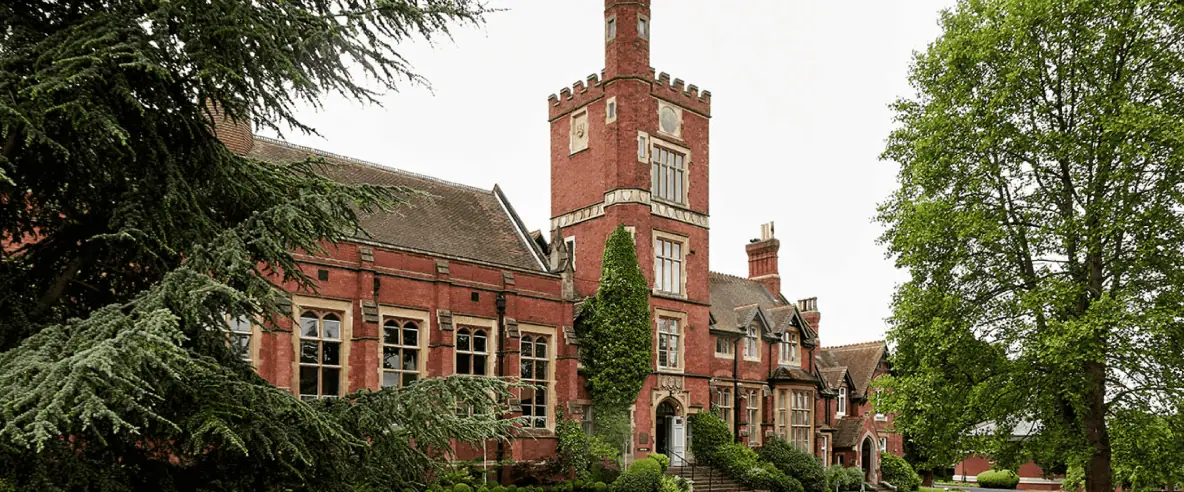
Independent School
UK independent schools are comparable to Hong Kong’s Direct Subsidy Scheme (DSS) and private schools, as they charge tuition fees and operate independently. As a result, they typically enjoy richer resources. UK independent schools are broadly divided into two main categories: Day schools and Boarding schools
Day Schools
- Students return home each day after school
- Suitable for students already based in the UK or living with family
- More affordable than boarding schools, with annual fees of approximately £20,000 - £35,000
Boarding Schools
- On‑campus boarding with a safe, supportive residential environment
- All‑inclusive annual fees typically range from £35,000 - £55,000, with top schools such as Eton College and Harrow School charging up to £60,000
- Ideal for Hong Kong students studying independently in the UK, boarding schools offer full pastoral and academic support, structured weekends, and complete immersion in British school life and culture

Sixth Form College
Institutions specialising in the Year 12 – 13 A‑Level programme are renowned for their intensive teaching and outstanding academic results. Colleges such as Cardiff Sixth Form College and Oxford International College have consistently ranked among the top performers in the UK A‑Level league tables
- A* - A grade accounts for up to 80% - 95% of results
- Annual fees, including tuition and boarding, typically range from £60,000 - £70,000
- Small‑class teaching, personalised academic support, and dedicated Oxbridge preparation are provided
- Suitable for Hong Kong students aiming for admission to top universities such as Oxford, Cambridge, and Imperial College London
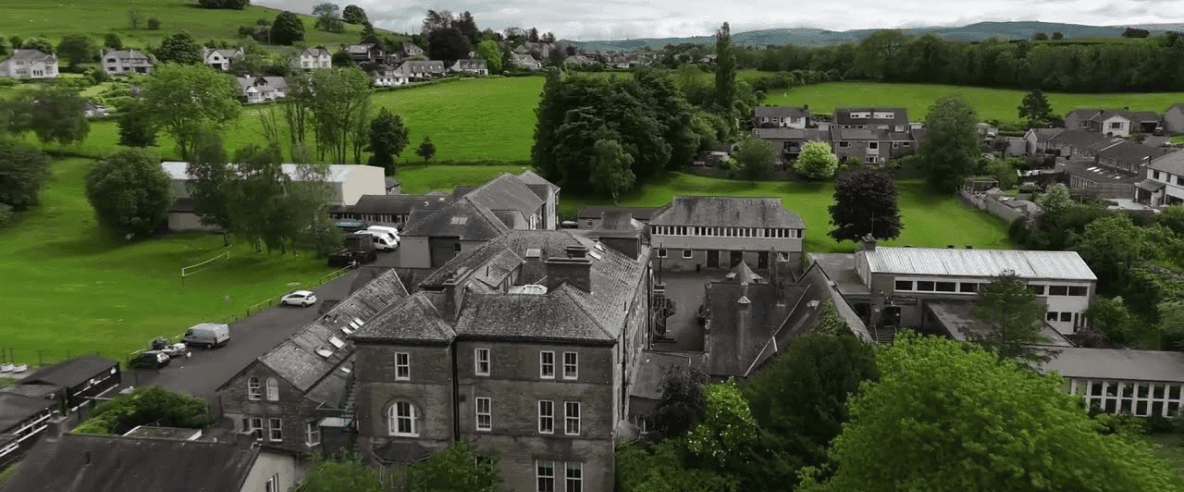
State School
UK state schools provide free education for students aged 5 – 16. While tuition fees are covered, parents are still responsible for certain costs such as school uniforms and stationery. Other expenses, including textbooks, learning materials, and examination fees, are typically covered by the schools.
- Certain state schools provide boarding facilities
- Tuition fees are fully covered; however, parents are required to pay for boarding and accommodation costs
- Many schools receive “Outstanding” ratings in Ofsted inspection reports, particularly for their facilities, pastoral care, and quality of teaching

Grammar School
UK grammar schools are elite institutions within the state school system. They are government ‑ funded and tuition ‑ free, but admission is highly competitive, as students must pass the 11+ or 13+ entrance examinations to gain entry.
- Outstanding academic performance, with A* - A grade at A‑Level typically accounts for 50% - 70% of results
- A higher proportion of students progress to Oxford, Cambridge, and Russell Group universities than in standard state schools
- Grammar schools operate only in certain areas of England and Northern Ireland, with most prioritising applicants within their catchment areas
UK Entrance Exam
UKiset
UK Independent Schools Entry Test
UKiset (UK Independent Schools Entry Test) is an entrance assessment for UK independent schools, designed specifically for non‑native English‑speaking international students aged 9 – 18. The test evaluates English proficiency — including grammar, vocabulary, reading, listening, and writing — as well as mathematical reasoning and non‑verbal reasoning skills. More than 300 UK independent schools accept UKiset results as part of their admissions process, including leading boarding schools such as Wycombe Abbey and Cheltenham Ladies’ College. Hong Kong students can sit the UKiset in Hong Kong, with results valid for one year and applicable to multiple school applications, helping to reduce the time and travel costs associated with sitting individual school entrance examinations.
CAT4
Cognitive Abilities Test Fourth Edition
CAT4 (Cognitive Abilities Test, Fourth Edition) is a widely used cognitive assessment in UK secondary schools. It evaluates students’ underlying cognitive abilities — rather than subject knowledge — across four key areas:
- Verbal Reasoning
- Quantitative Reasoning
- Non‑Verbal Reasoning
- Spatial Reasoning
Many UK independent schools and state grammar schools use CAT4 for admissions assessment or ability grouping. Results are reported as stanine scores (1 – 9) or Standard Age Scores (SAS, with an average of 100), helping schools identify students’ academic potential and provide appropriate support tailored to different learning needs.
ISEB
Independent Schools Examinations Board
The ISEB (Independent Schools Examinations Board) is the UK authority responsible for standardised entrance assessments for independent schools, including
- ISEB Common Pre‑Test (11+ pre‑test)
- ISEB Common Entrance Examination (13+ entrance examination)
The Common Pre‑Test is an online assessment for Year 6 students (ages 10 – 11), covering English, Mathematics, Verbal and Non‑Verbal Reasoning. The Common Entrance Examination is taken in Year 8 (ages 12 – 13) and assesses subjects such as English, Mathematics, Science, and Humanities. Many prestigious schools, including Eton College, Harrow School, and Winchester College, require ISEB results as part of their admissions process.
GCSE

-
Grade:
Year 10 - Year 11 -
Age:
Usually 15 - 16 -
Duration:
1 Year or 2 Years
-
Subject Selection:
Flexible, minimum of 5, usually 7 - 10 -
Paths to GCSE:
After Form 3
→ Join Year 10 (Recommended)
After Form 2
→ Skip a year and join Year 10
After Form 4
→ Join Year 10
→Join Year 11 for a one-year programme
GCSE is a two – year programme. Students study GCSE in Year 10 to 11 to prepare for the exam, which is similar to Form 4 and 5 students studying for HKCEE in Hong Kong′s old education system. Students who score 5Cs or above are eligible for A-Level. With this certificate, they can also apply for the foundation programme in the UK.
Many overseas students see Year 10 as the beginning of their overseas studies, without considering their needs to adapt to the new environment and education system. All these while trying hard to meet the requirements of the first year programme. This may have a negative impact on their academic results. Instead, if students start in Year 9, they can spend a year to adapt to the new environment and at the same time improving their language skills, which helps them to perform better throughout the programme.
Compulsory Subjects:
Choice of 2 or 3 science subjects
- EFL (English as a Foreign Language)
- Biology
- Mathematics
- Chemistry
- Physics
Common Electives:
- Art & Design
- Biology
- Business Studies
- Chemistry
- Chinese
- Computing
- Design & Technology
- Drama & Theatre
- Economics
- English Literature
- EPQ
- Film Studies
- French
- Further Mathematics
- Geography
- German
- History
- ICT
- Mathematics
- Media Studies
- Music
- Physical Education
- Physics
- Politics
- Psychology
- Philosophy & Ethics
- Russian
- Sociology
- Spanish
- Textiles
A-Level
-
Grade:
Year 12 - Year 13 -
Age:
Usually 16 - 18 -
Duration:
1 Year or 2 Years
-
Subject Selection:
Flexible, usually 3 - 4 -
Paths to A-Level:
After Form 4
→ Join Year 12 (Recommended)
After Form 3
→ Skip a year and join Year 12
After Form 5
→ Join Year 12
→ Join Year 13 for a one-year programme
Most of the students in UK enter universities after completing A-Level. It is a two-year programme similar to the curriculum in Form 6 and 7 in Hong Kong′s old education system. They can choose subjects according to their future study preferences as there is no restriction on the choice of liberal arts or science subjects. In general, students take 3 to 4 subjects and they can already be eligible to enter UK universities.
Some UK private colleges, sixth form colleges and international boarding schools provide A-Level programmes with higher flexibility. It is designed for international students with better English language skills and academic performances to complete their studies within a shorter period of time, i.e. three to five semesters. Students in the one-year programme generally study 3 subjects while students in the five-semester programme can study 3 to 4 subjects depending on their abilities.
Common Electives:
- Art & Design
- Biology
- Business Studies
- Chemistry
- Chinese
- Computing
- Design & Technology
- Drama & Theatre
- Economics
- English Literature
- EPQ
- Film Studies
- French
- Further Mathematics
- Geography
- German
- History
- ICT
- Mathematics
- Media Studies
- Music
- Physical Education
- Physics
- Politics
- Psychology
- Philosophy & Ethics
- Russian
- Sociology
- Spanish
IB Diploma Program
-
Grade:
Year 12 - Year 13 -
Age:
Usually 16 - 18 -
Duration:
2 Years
-
Subject Selection:
Rigid, 9 in total, 3 Compulsory & 6 from Subjects Groups -
Paths to IB:
After Form 3
→ Skip a year and join Year 12
→ Join Year 11′s Pre-IB programme
After Form 4
→ Join Year 12 (Recommended)
After Form 5
→ Join Year 12
International Baccalaureate(IB) is a curriculum recognised globally by international universities. The two-year IB Diploma programme is another option besides A-Level. Some international and private schools in Hong Kong also adapt this curriculum.
Compare to A-Level, IB provides more extensive knowledge. Apart from studying major subjects from six categories, students must complete other compulsory courses such as Extended Essay. In addition to the knowledge provided in textbooks, this programme aims to equip students with better writing skills, logical thinking and time management skills.
Core Subjects:
- Extended Essay – EE
- Theory of Knowledge – ToK
- Creativity, activity and Service – CAS
6 Subject Groups:
Students must choose one subject from each of the six categories. Every subjects have higher level (HL) and standard level (SL).
Students must choose a minimum of 3 subjects at higher level. The highest score is 7 in each subject.
Group 1
Language & Literature
Group 2
Language Acquisition
Group 3
Individuals & Societies
- Economics
- Geography
- Psychology
- Global Politics
Group 4
Science
- Biology
- Physics
- Chemistry
- Computer Science
Group 5
Mathematics
Group 6
The Arts or Elective*
- Visual Arts
- Dance
- Music
*Students may choose to replace the Arts subject with an additional subject in Personal and Social Education, Science, or a Foreign Language.
Application Procedure
Gaining admission to renowned UK boarding schools, where generations of noble and influential families have received education, is no easy feat. Typically, students are required to submit their applications one year in advance.
For a handful of prestigious institutions like Brighton College and Concord College, the application process begins two or three years prior to enrollment. In the case of renowned schools such as Eton College, students must apply before the age of ten and a half to secure a place at the age of thirteen.
May - Jun
Applications for the Next Academic Year
- Select 5-6 schools
- Apply for UKiset
*Most schools are open for enrolment for the upcoming academic year during this time. Consult our team regarding specific schools.
Aug - Nov
Application Submission
- Submit Applications & Fees
*Please note that the corresponding service fee (rates as below) will apply to all credit card payments:

Exams & Interviews
*Most examinations are held between Sept to Nov. A limited number of schools hold theirs in Jan.
Jan - Feb
Exam Results
- Results of the examinations are released
*In order to accept and secure offers, students must follow instructions and submit reservation fees before the specified dates.
Mar - May
Arrange Guardians & Flights
Jun - Aug
Visa Application
Aug - Sep
Preparation for Departure
A Levels League Table
A Level League Table 2025: The official release date is 14 August 2025. On this day, schools will share results with their students and publish summaries—often including their average A Level scores—on their websites and social media platforms. Students who wish to appeal their grades will have the opportunity to do so.
Starting 14 August, we’ll begin compiling the official A Level results from schools across the country and publishing them here. Bookmark this page and check back from 14 August onwards—we will be reporting the latest A Level 2025 results daily.
Rank | School Name | Location | Gender | Type | Result (A*/A) |
|---|---|---|---|---|---|
1 | Cardiff Sixth Form College | Cardiff | Co-ed | Boarding | 94.0% |
2 | Westminster School | Westminster | Co-ed | Boarding | 87.0% |
3 | The National Mathematics and Science College | Coventry | Co-ed | Boarding | 86.0% |
4 | Guilford High School | Guilford | Girls | Day | 85.0% |
5 | King’s College School (KCS) | Wimbledon | Co-ed | Day | 84.7% |
6 | Concord College | Shrewsberry | Co-ed | Boarding | 84.0% |
7 | Brighton College | Brighton | Co-ed | Boarding | 83.0% |
8 | City of London School For Girls | The City | Girls | Day | 81.0% |
9 | St Michael’s School | Llanelli | Co-ed | Boarding | 80.0% |
10 | The Perse School | Cambridge | Co-ed | Day | 80.0% |
School Recommendation

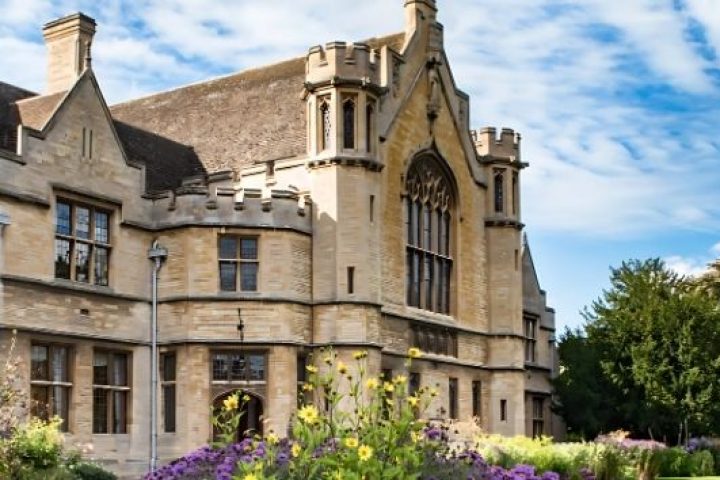
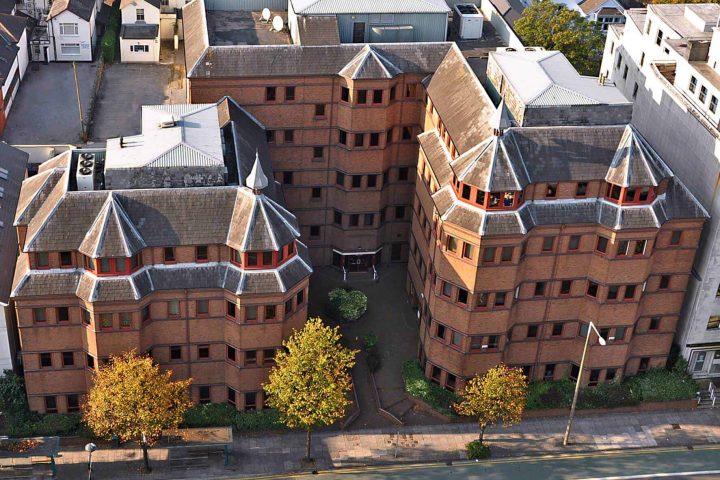
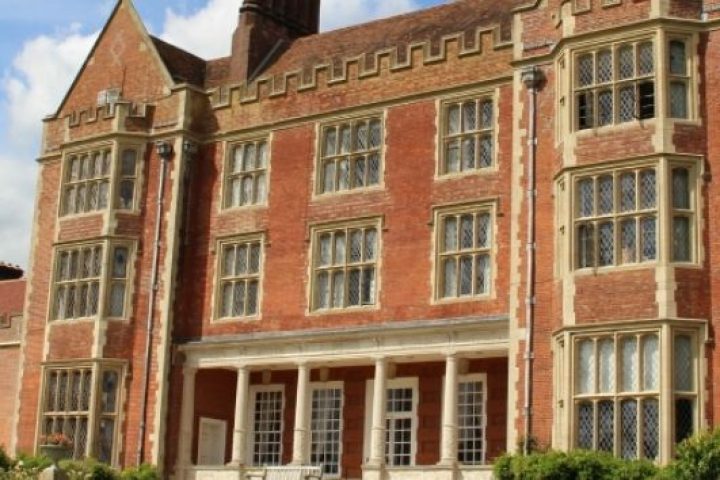
UK Boarding School Fee Estimates
Annual Cost of UK Boarding Schools
£45,000 - £80,000
Annual Cost of UK Day Schools
£30,000
UK boarding schools charge termly fees of around £15,000 – £30,000, totalling approximately £45,000 – £80,000 per year (HKD 450,000 – 800,000). Day schools and state schools are generally more affordable, as they do not include boarding.
Day school tuition fees are typically around £30,000 per year (approximately HKD 300,000), with homestay accommodation costing an additional £8,000. Parents should also budget for extra application and place‑confirmation fees, including registration fees of £75 – £300
Your time is now! Kickstart your UK education journey today!
Unleash the full potential of your academic journey as our expert consultants provide comprehensive guidance, propelling you towards remarkable achievements with the UK institution of your choice.