
Why Choose UK Universities?

UK universities are globally recognised for their world‑class teaching, internationally respected degrees, and strong student support. Home to institutions such as Oxford and Cambridge, as well as the G5 and Russell Group, the UK offers outstanding academic standards. Courses combine rigorous research with practical application, developing critical thinking, professional skills, and global competitiveness for future academic and career success.
- Key Advantages :
- Internationally recognised academic excellence
- Flexible and diverse pathways to higher education
- Student‑centred learning
- Multicultural environment with global exposure
UK University Admissions Tests
Some leading UK universities and highly competitive programmes — such as Medicine, Law, and Engineering — require applicants to sit additional admissions tests. Common examples include:
- UCAT
- BMAT
- LNAT
- MAT
Hong Kong students should check admissions test requirements carefully and sit the relevant tests between September and October, as results are used for shortlisting and final decisions
UCAS Key Dates and the Application Journey

Applications to UK universities are primarily made through UCAS (the UK Universities and Colleges Admissions Service). The process is detailed and involves several important deadlines.
Below are the steps and key dates for 2026 entry:
Maximum of five university choices
Required Documents:
- Personal Statement(Personal Statement)
- School Reference
- Academic Results (e.g. predicted DSE grades or IELTS English results)
Late application – still possible?
If you only begin considering your application during the Clearing stage, there may still be opportunities available. However, remaining places are limited, and your preferred universities or courses may already be full
Book a consultation now or call 3184 0362. Britannia’s team of professional advisors will promptly assess your academic background and recommend suitable UK universities and programmes.
Application can be submitted to UCAS
13 May – Students can begin registering on UCAS
Deadline for Oxford, Cambridge, and most medicine, dentistry, and veterinary courses
Students intending to apply for these courses should pay close attention
Application deadline for most undergraduate courses
UCAS Extra Opens, Applicants with no offers may add another choice.
Students who receive their offers by mid‑May must respond by early June
Applications received after this deadline are automatically entered into Clearing
UCAS Clearing opens
UK University
UK undergraduate degree programmes typically last three years, the same as Hong Kong’s university system prior to education reform. From the first year of study, students focus on a single major or a joint honours programme, covering the core theories and foundational knowledge of their chosen discipline. Students are also expected to adapt to the UK’s distinctive teaching approach, which includes lectures, seminars, and tutorials.
First‑year assessment methods combine coursework, academic essays, group presentations, and written examinations.
Extended Reading:
- 英國大學全攻略 2026|升學途徑、入學要求、報名程序、學費預算
- Article
Pathways to UK Universities
Hong Kong students can apply to UK universities through various pathways, depending on their academic background and stage of study.
The following are the main routes to progression:
1
Direct Entry to Undergraduate Programmes via HKDSE
Entry Pathway
- DSE
- Bachelor’s Degree
- Master’s Degree
- ︎Top UK universities require HKDSE results of 544 to 5*55 (depending on the University and Subject)
- Top universities (such as Durham University) require a grade of 5* or above
- For competitive programmes such as Medicine or Law, applicants are required to sit additional admissions tests, such as UCAT or LNAT
2
UK International Foundation Year Programme
Entry Pathway
- Foundation Programme
- Bachelor’s Degree
- Master’s Degree
- Students whose HKDSE, IB, or A‑Level results do not meet the direct entry requirements for undergraduate study, or whose academic background does not align with their intended subject
- Foundation programmes typically last six months to one year. Students who achieve the required results may progress to Year 1 of a bachelor’s degree
- Form 5 students may apply to foundation programmes using their school‑based academic results
3
International Year One
Entry Pathway
- International Year One Programme
- Bachelor’s Degree (Year 2)
- Master’s Degree
- Students whose HKDSE, IB, or A‑Level results do not meet the direct entry requirements for undergraduate study, but who demonstrate a strong academic foundation
- Students who achieve the required results will progress directly to Year 2 of a bachelor’s degree
4
International Curriculum (IB / A‑Level)
Entry Pathway
- IB / A Level
- Bachelor’s Degree
- Master’s Degree
- For top universities, typical entry requirements range from 34 to 42 points (out of a maximum of 45), with some programmes requiring specific subjects at grade 6 or 7 (out of 7) ︎
- Entry requirements for leading universities generally range from A*AA to AAB, depending on the university and chosen subject
5
Top‑Up Degree Programme
- Top‑up degree programmes are designed specifically for sub‑degree graduates, providing a pathway to obtain a bachelor’s degree. These programmes typically follow a “2+2” structure, allowing students who have completed two years of an associate degree or higher diploma to enter directly into the later years of a degree programme (usually Year 2)
- In most cases, students can graduate after a further two years of study. Admissions decisions are based on applicants’ academic performance (GPA) and the relevance of their prior studies to the chosen degree programme. Students and parents are advised to consult an education advisor for personalised guidance on suitable top‑up degree options
Undergraduate Year 1
- Students who have completed public examinations may apply through UCAS
- UK bachelor’s degree programmes are typically three years in duration
- Entry Requirements (vary by programme):
- HKDSE: 332 - 5*5*5
- IB: 28 - 45 points
- A-Level: A*A*A* - CCC
- IELTS: Overall score of 6.0 - 7.5, with individual components typically no lower than 6.0 - 7.0
- Portfolio submission may be required for subjects such as Art & Design and Architecture
- Interviews are required by some universities and programmes
- Medicine and Dentistry applicants must sit the UCAT admissions test
- Law applicants at some universities are required to take the LNAT
Universities Recommnedation
Foundation
- Available in both one to one and one to many foundation programmes
- Form 5 students may apply using their school‑based academic results
- Programme duration is approximately 8 months, with progression to Year 1 of a bachelor’s degree upon successful completion
- Entry Requirements (vary by programme) :
- Form 5 school results: 55% - 65%
- HKDSE: 222 to 333
- IB: 18 - 24 points
- A-Level: DDD
- IELTS: Overall score of 5.0 - 5.5, with individual components typically no lower than 4.5 - 5.0
Universities Recommendation
International Year One
- Open to students who have completed public examinations
- Programme duration is approximately 8 months
- Availability depends on whether the university offers an International Year One programme
- Successful completion allows progression directly to Year 2 of a bachelor’s degree
- Entry Requirements (vary by programme) :
- HKDSE: 332 - 433
- IB: 22 - 29 points
- A-Level: BCC - CCD
- IELTS: Overall score of 5.5 - 6.5, with individual components typically no lower than 5.5 - 6.0
Universities Recommnedation
UK Master’s Degree / Pre‑Master’s Programme
- Open to students who have completed a bachelor’s degree
- UK master’s programmes typically last one year. Students whose undergraduate results do not meet the direct entry requirements may apply for a one‑year Pre‑Master’s programme instead
- Entry Requirements (vary by programme) :
- UK 2:1 equivalent undergraduate degree (approximately 60% - 69% GPA, depending on the institution)
- IELTS: Overall score of 6.5 - 7.0, with individual components typically no lower than 6.0 - 6.5
Top‑Up Degree Programmes
Top‑up degree programmes allow Hong Kong associate degree or higher diploma graduates to enter Year 2 or Year 3 of a UK undergraduate degree, with the opportunity to obtain a UK bachelor’s degree in as little as two years.
UK universities generally recognise Hong Kong sub‑degree qualifications. The level of entry granted depends on the student’s academic results, the relevance of prior studies, and the admissions requirements of individual universities.
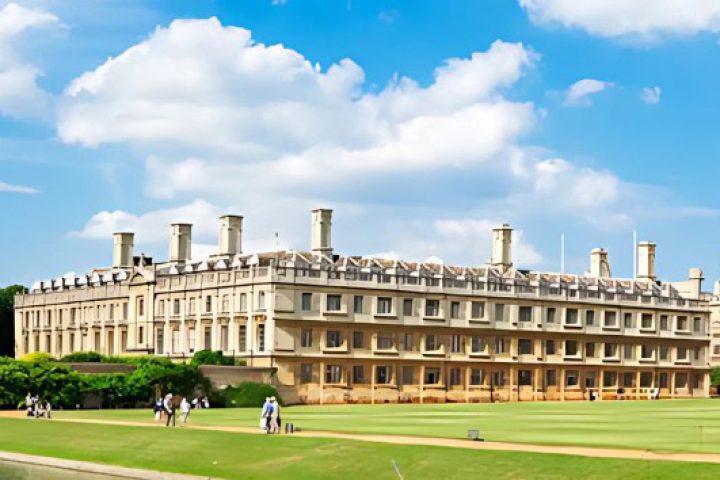
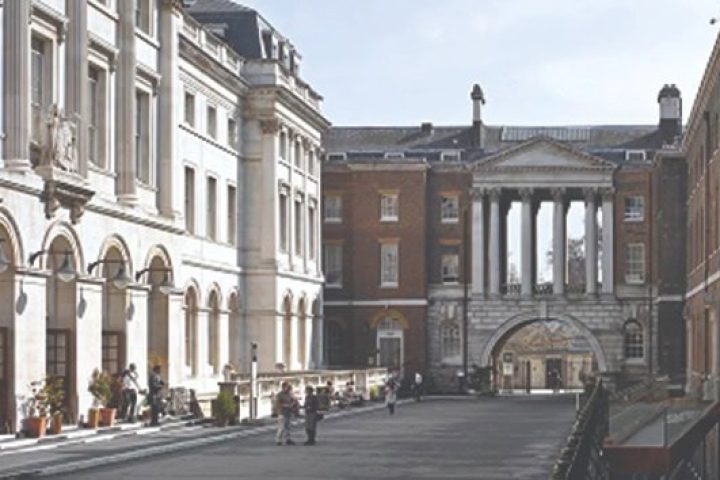
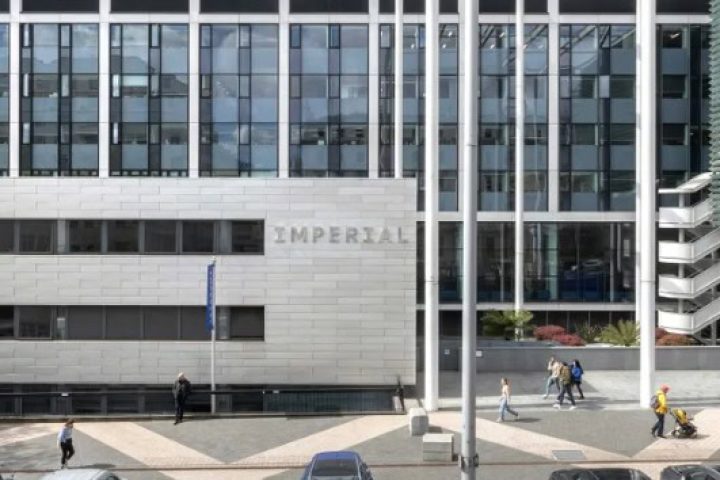
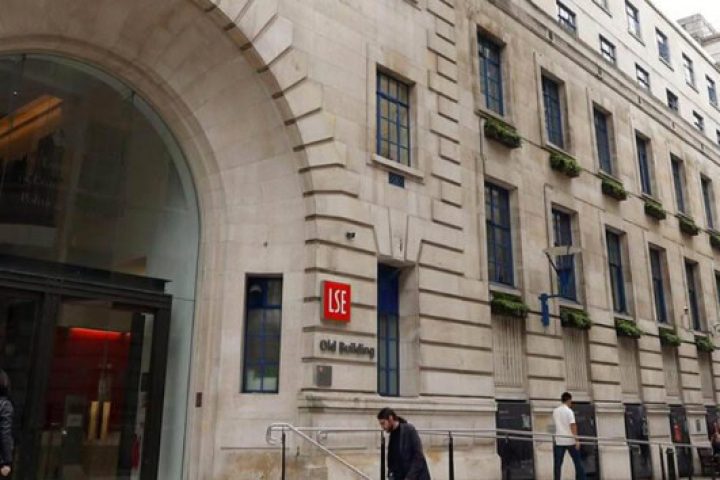
University Recommendations

UK University Ranking
The QS World University Rankings is one of the most influential and widely recognised global university rankings, published annually by the international higher education research organisation Quacquarelli Symonds (QS). The rankings evaluate universities worldwide using a comprehensive set of indicators, including academic reputation, employer reputation, faculty‑to‑student ratio, research impact, and the proportion of international students and academic staff, providing students, parents, and educators with a valuable international benchmarking framework.
QS Ranking | University | Area | Overall Score |
|---|---|---|---|
2 | Imperial College London | London | 99.2 |
4 | University of Oxford | Oxford | 98.6 |
6 | University of Cambridge | Cambridge | 97.1 |
8 | University College London | London | 96.3 |
35 | The University of Edinburgh | Edinburgh | 85.9 |
37 | King’s College London | London | 85.7 |
40 | The University of Manchester | Manchester | 84.6 |
57 | University of Bristol | Bristol | 80.9 |
62 | The London School of Economics and Political Science | London | 78.8 |
68 | The University of Warwick | Coventry | 75.9 |
*Sources: QS World University Rankings 2027
Your time is now! Kickstart your UK education journey today!
Unleash the full potential of your academic journey as our expert consultants provide comprehensive guidance, propelling you towards remarkable achievements with the UK institution of your choice.